If you are thinking about installing an EV charger at home, the first question is usually not where to put it. It is whether your electrical system can support it safely and reliably. That matters in Spokane homes where panel capacity, garage wiring, and parking layout can vary quite a bit.
Check The Basics
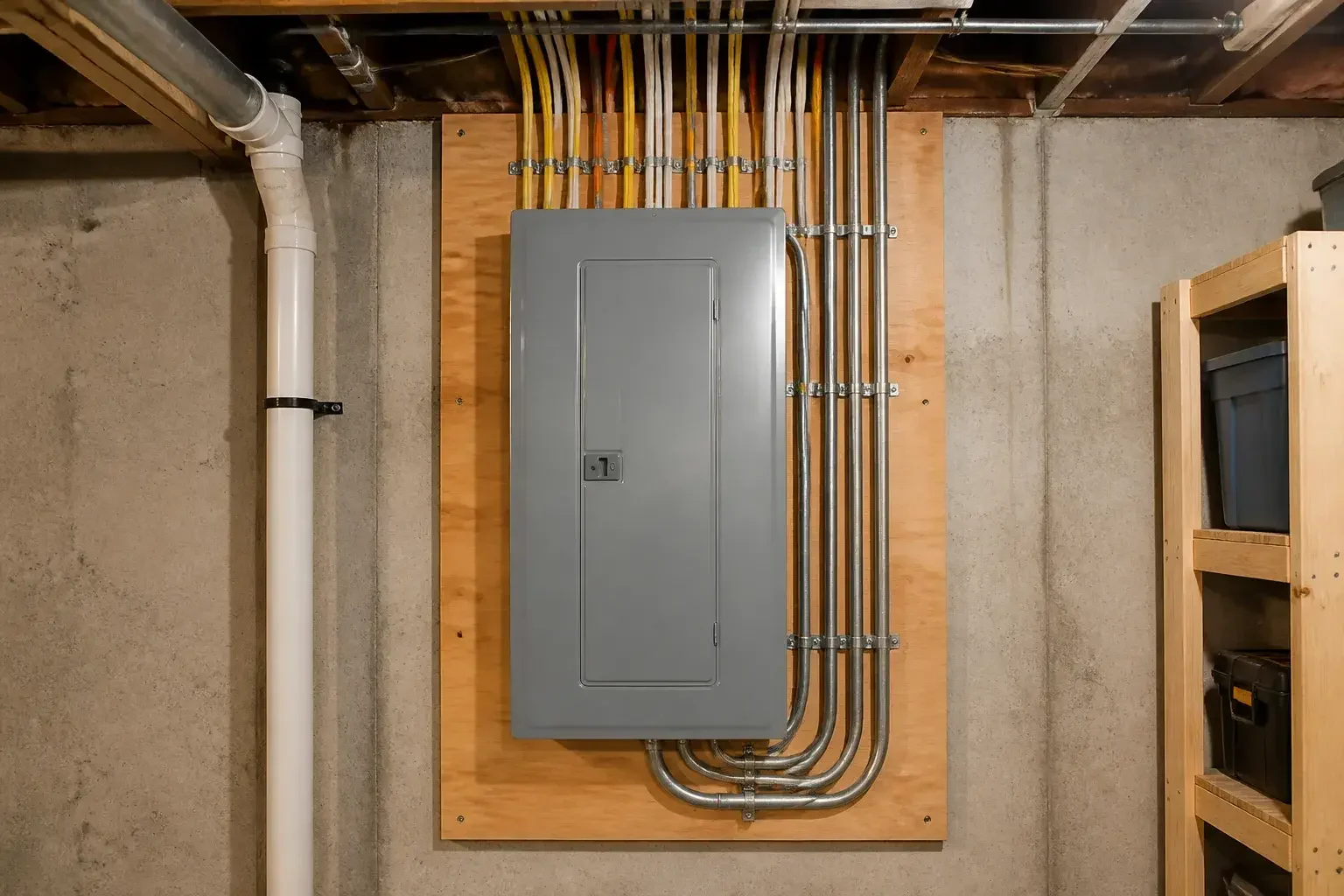
Start by looking at where the car will park and where the charger would be mounted. A clean path from the panel to the charging location makes the job easier. You will also want to know whether the panel has enough available capacity for a new high-demand circuit. In some homes, the panel is already close to full, which can affect what kind of charger can be installed.
It also helps to think about your daily routine. A plug-in setup may work for some drivers, while others want a dedicated hardwired charger. The right setup depends on the vehicle, the home’s wiring, and how quickly you need to charge.
Why The Electrical Check Matters
An EV charger is not like plugging in a lamp. It can place a steady load on the home’s electrical system for long periods. If the circuit, wiring, or panel is not sized correctly, you can end up with nuisance trips or an installation that does not perform the way you expect.
A proper assessment looks at the panel, available capacity, wiring route, and whether any upgrades are needed before installation. In some Spokane homes, that may mean a panel upgrade first. In others, the existing system may be ready with only minor adjustments.
Plan The Install
If you are serious about home charging, get the electrical side checked before you buy equipment or commit to a location. That saves time and helps you choose the right charger for the house instead of forcing the house to fit the charger.
Northgate Electric helps homeowners in Spokane, Spokane Valley, Liberty Lake, and Cheney plan EV charger installations that fit their homes and their daily habits. The result is a setup that works from day one and supports the way you actually drive.